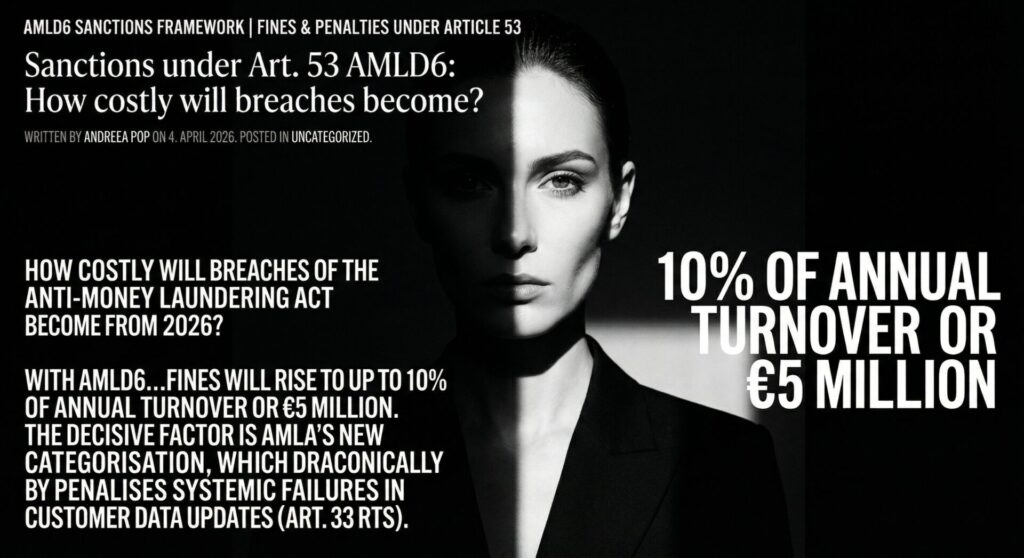
Sanctions under Art. 53 AMLD6: How costly will breaches become?
How costly will breaches of the Anti-Money Laundering Act become from 2026?
With AMLD6 and the new AMLA RTS drafts from February 2026, fines will rise to up to 10% of annual turnover or €5 million. The decisive factor is AMLA’s new categorisation, which draconically...
.sp-grid {
display: grid;
grid-template-columns: repeat(auto-fit, minmax(260px, 1fr));
gap: 22px;
margin: 40px 0;
}
.sp-card {
background: #fff;
border-radius: 14px;
padding: 22px;
border: 1px solid #e6ecf2;
box-shadow: 0 8px 25px rgba(0,0,0,0.06);
transition: 0.2s;
}
.sp-card:hover {
transform: translateY(-4px);...
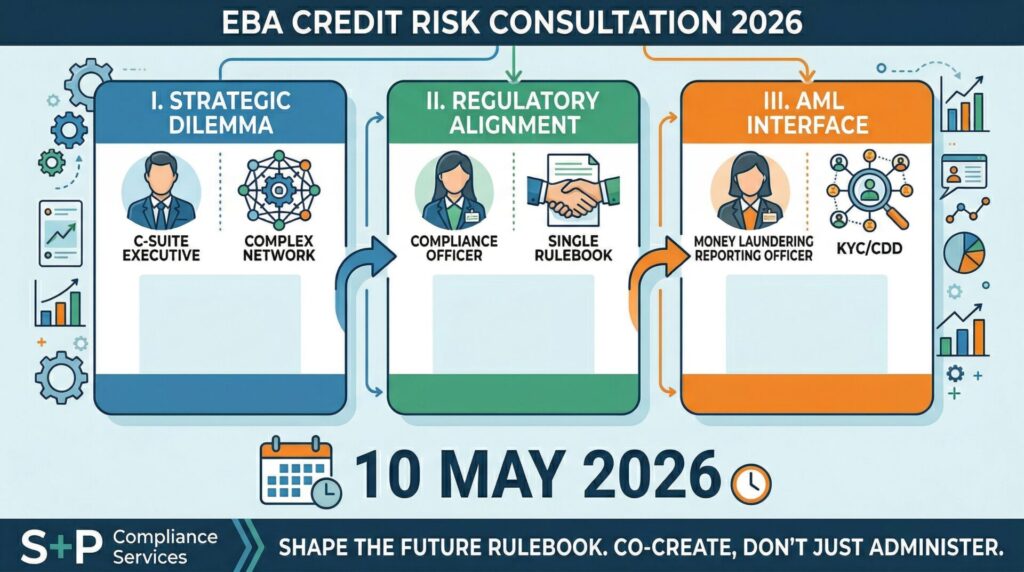
At its core, this is about the question of when a loan portfolio under the Standardised Approach is considered “sufficiently granular” in order to benefit from the privileged risk weight of 75% (instead of 100%). While the draft phase was still characterised by a bureaucratic “iterative procedure” that would have posed operational...
Liability focus May 2026: Sanctions criminal law, Cyber Resilience Act and AML compliance. Are you prepared?
I. Introduction to the topic
With May 2026, the European regulatory landscape enters a phase of intensified enforcement in which theoretical compliance requirements turn into immediate operational and criminal-law risks. The...
Shortened KYC Intervals, Clear Risk Segregation, Stricter Monitoring
New Rules for Prevention
The requirements for money laundering and terrorism financing prevention are noticeably increasing.BaFin has clearly sharpened its expectations of you as an obligated party: shorter update intervals for customer data, a strict separation of...